
The competent agencies of Armenia and Georgia formalised a new Memorandum of Understanding (MoU) on Transboundary Water Monitoring in the Khrami–Debed(a) River Basin on the edges of Armenia’s National Policy Dialogue on Water on 3 December 2025. This MoU represents a major step forward to coordinate water protection efforts between the two countries.
Armenia and Georgia formalised a new Memorandum of Understanding (MoU) on Transboundary Water Monitoring in the Khrami–Debed(a) River Basin during Armenia’s National Policy Dialogue on Water on 3 December 2025. This MoU represents a major step forward to coordinate water protection efforts between the two countries.
Shared River, Shared Responsibility
The Khrami–Debed(a) Basin faces number of shared environmental pressures, including the lack of wastewater treatment from both households and industries; pollution from mining activities, releasing heavy metals into the river system; agricultural runoff (fertilisers, pesticides) affecting water quality and illegal landfills, whose leachate contaminates surface and groundwater.
This MoU establishes a harmonised network of monitoring sites at key points along the border; align sampling parameters, laboratory methods, and reporting practices; and ensure regular data exchange and joint assessments.
Both countries will gain a clearer understanding of water quantity and quality across the Khrami-Debed(a) Basin. Ultimately, the MoU creates a foundation for ongoing dialogue and collaboration, enabling both nations to make informed, coordinated decisions for sustainable water management in the basin.
“This Memorandum of Understanding will support the protection of Debed River and the settlements in its watershed. It will strengthen the transboundary cooperation between Armenia and Georgia and will promote decision-making, based on comparable and reliable data.”
Lilit Abrhamyan, Head of the Water Policy Department, Ministry of Environment of Armenia
“This MoU reflects our commitment to deepening practical cooperation with Armenia on managing our shared river basin. Reliable and comparable data will help both sides better protect ecosystems and support local communities.”
Maia Javakhishvili, Deputy Head of the Department of Environment and Climate Change Policy, Ministry of Environmental Protection and Agriculture of Georgia
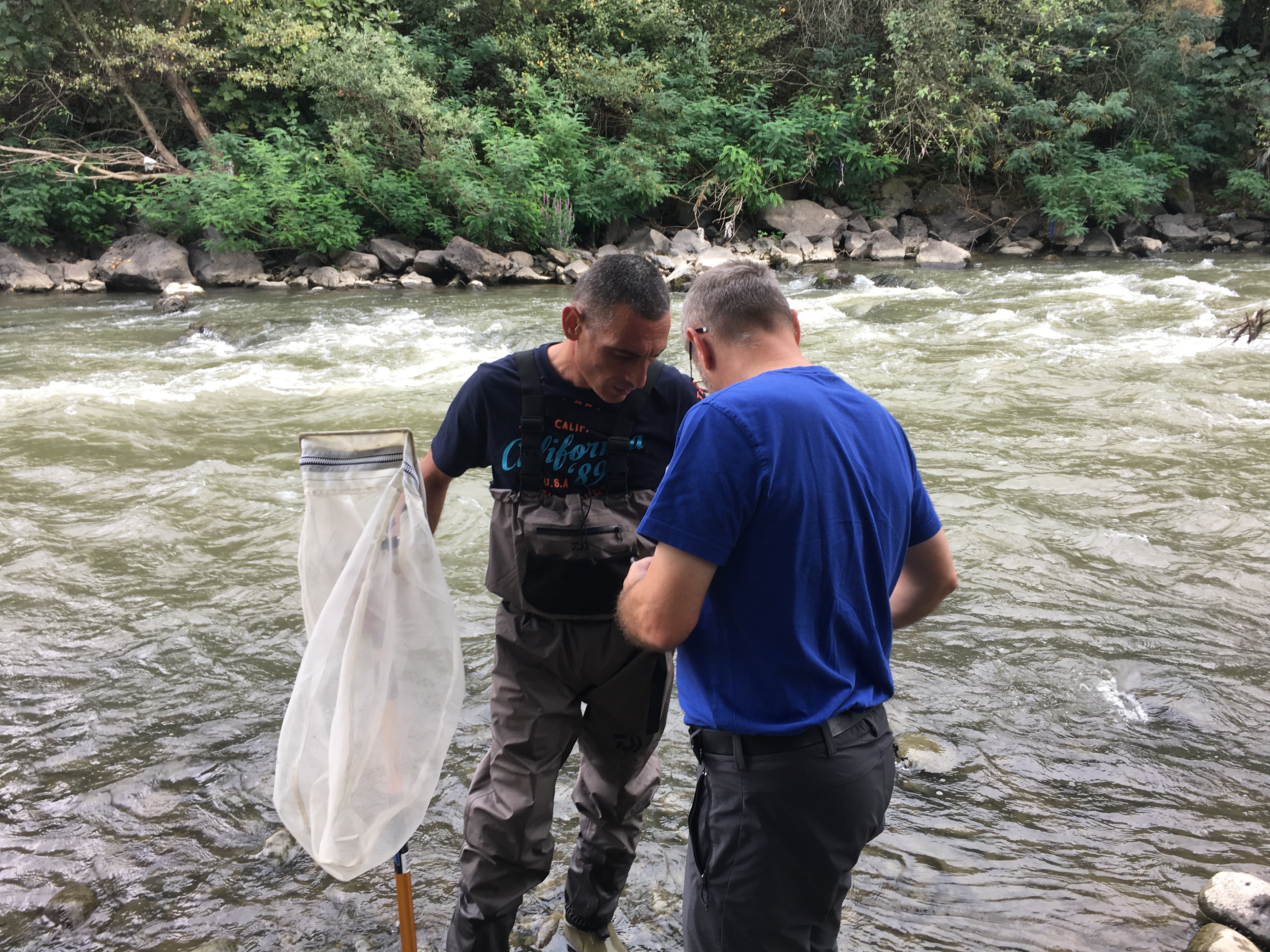
The MoU is the result of a long-term process initiated several years ago through sustained EU cooperation, like the EU4Environment Water and Data Programme (2021–2024) and its predecessors. In 2020 and 2023, Armenian and Georgian technical experts were guided in doing the first joint field surveys on shared rivers and groundwater, in aligning their laboratory methods and in concluding the joint survey results.